Sky and weather
The Milky Way in Baja California Sur: why it’s so visible here
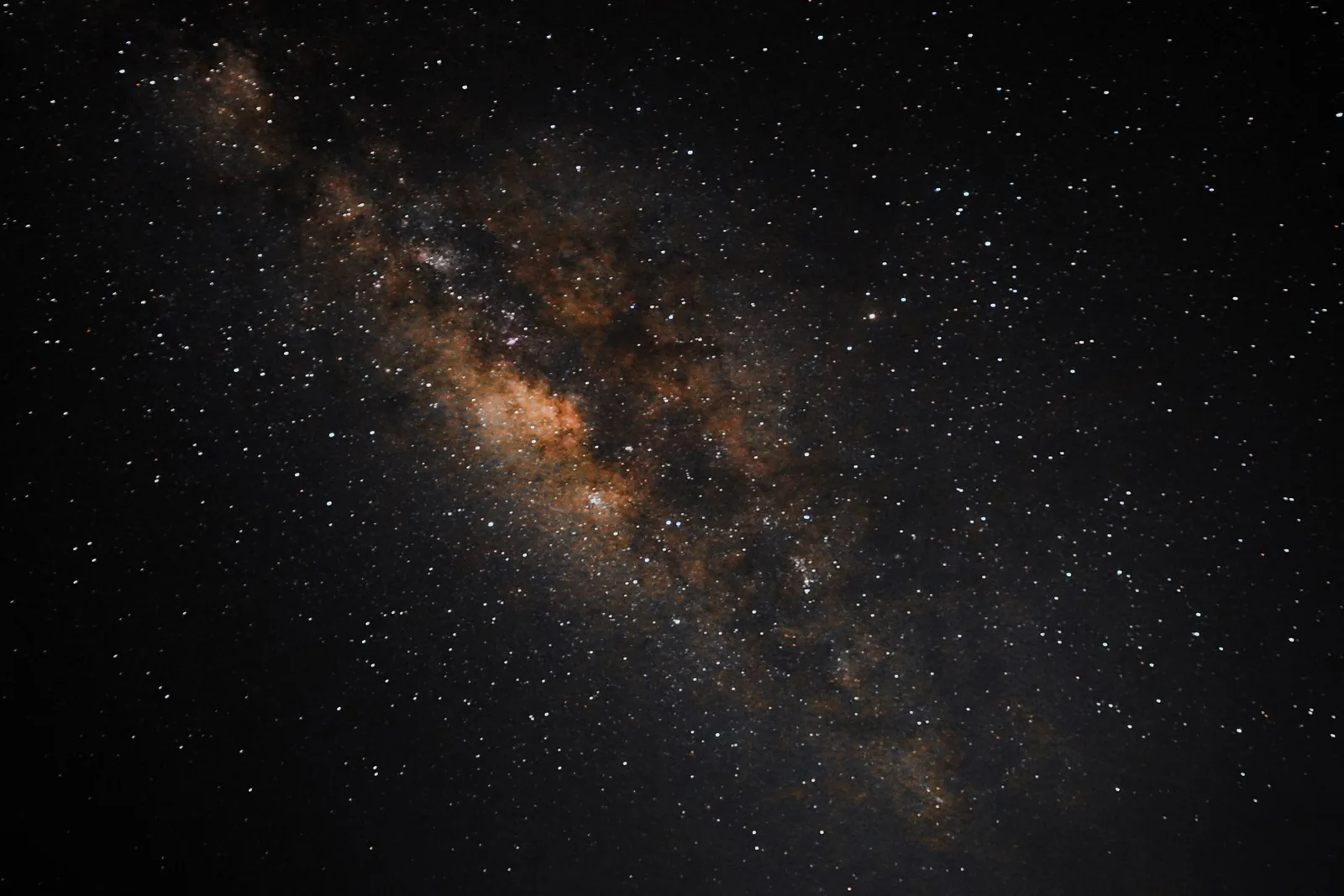
Few places in Mexico offer skies as dark as the desert of Baja California Sur. Here is what makes it possible to see the Milky Way with the naked eye.
A desert that protects the darkness
Seeing the Milky Way with the naked eye requires something increasingly rare: a sky free of light pollution. Baja California Sur’s low population density — vast stretches of desert between small, scattered communities — is the main reason much of its territory keeps dark skies, something that is already hard to find near large cities.
What local science says
A team from the Universidad Autónoma de Baja California Sur (UABCS), together with the Merak and Mira astronomical societies and the Consejo Sudcaliforniano de Ciencia y Tecnología, identified more than 70 sites across the state with suitable conditions for astronomical observation, using visual sky magnitude measurements. Sites such as La Purísima, in Comondú, and Playa El Coyote, in Mulegé, recorded readings above 21.5 on that scale, above the threshold usually considered ideal for seeing the Milky Way clearly.
When it’s best seen
The brightest, densest band of the Milky Way — its galactic core — is most visible from the Northern Hemisphere between roughly February and October, with the best conditions in the core summer months. Within that window, the moon phase matters as much as the season: nights near a new moon, without its glow competing with the stars, offer the darkest sky possible.
Not just a pretty backdrop
A dark sky is not only a backdrop for a photo. It is also a sign of how little an environment has been altered: the same absence of artificial light that reveals thousands of stars tends to coincide with coastlines and bays where nighttime human activity is minimal.
Seeing it during an expedition
Con Gorra’s night camps in Baja California Sur take place under these same skies. There is no guarantee of perfect conditions — clouds, humidity or a full moon can limit visibility on any given night — but the region’s darkness remains, on its own, one of the simplest and most underused resources of a trip to Baja.
References to keep exploring
- UABCS, Sociedades Astronómicas Merak y Mira y COSCyT · Mapeo de sitios con cielos oscuros en Baja California Sur
- Dark Site Finder · When is Milky Way Season?
Sources accessed on November 8, 2026. Editorial text by Con Gorra Expeditions.