Marine life
The humpback whale in Mexico: a population the law treats differently
Not every humpback whale in the world has the same conservation status. The population that visits Mexico has its own legal category.
One species, several populations
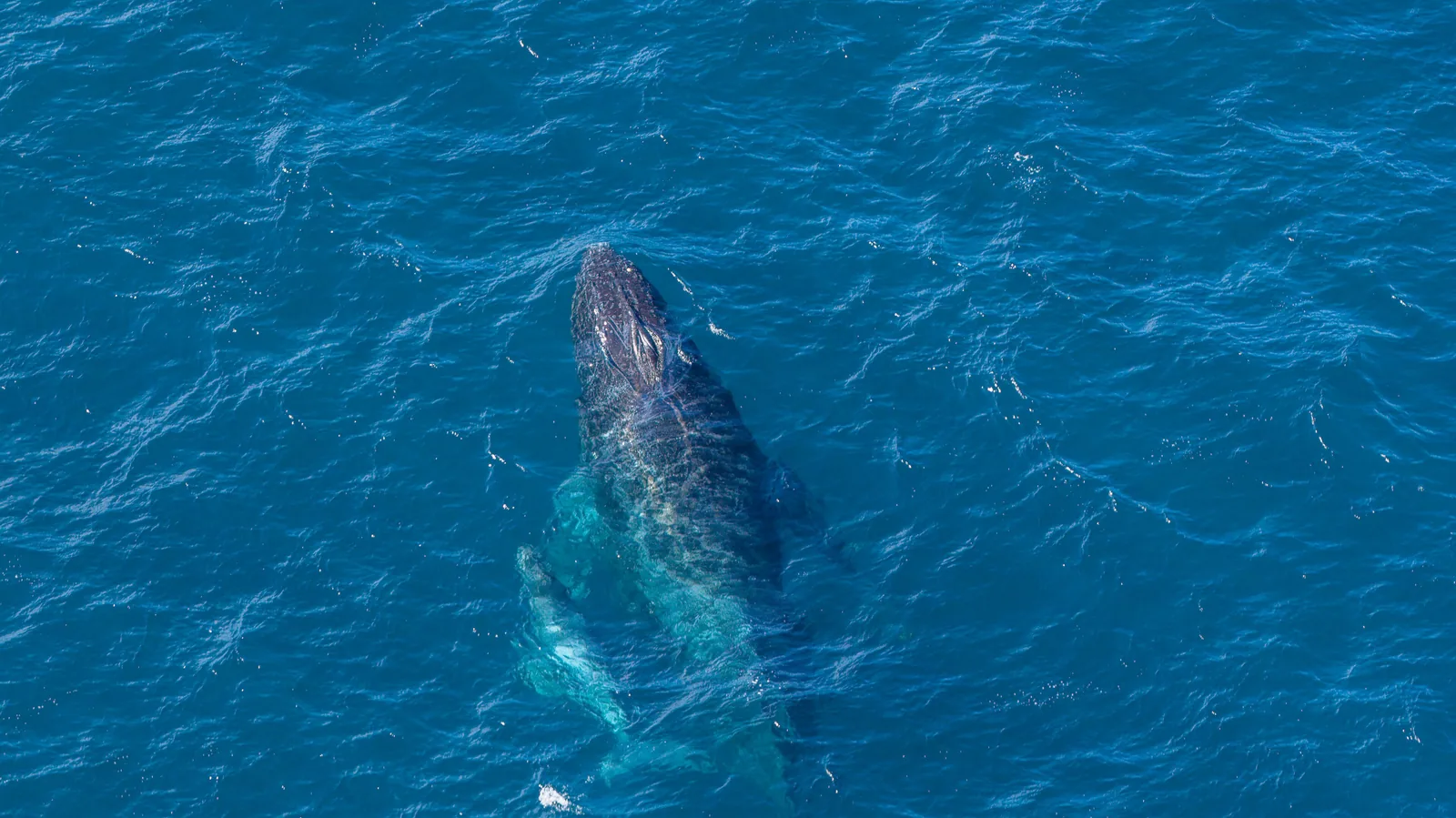
The humpback whale (Megaptera novaeangliae) is a single species, but it does not behave like a single population. Each group migrates between feeding grounds at high latitudes and breeding grounds in warm water, generally returning to the same routes year after year. That is why science — and the law — do not always treat every humpback on the planet the same way.
Fourteen populations, different statuses
In 2016, NOAA Fisheries split the humpback whale into fourteen distinct population segments (DPSs) for protection purposes under the U.S. endangered species law. Most came off the list thanks to their recovery; only five populations remained listed, each with its own status. The population that breeds off Mexico — including the Gulf of California — is the only one classified as threatened; two other populations, Central America and the Western North Pacific, were classified at the highest level, endangered.
What sets the Mexico population apart
In 2021, NOAA designated specific critical habitat for these three populations — Central America, Mexico and Western North Pacific — feeding grounds in the North Pacific it considers essential for their recovery. That the Mexico population holds a threatened status, not the highest one, reflects real recovery since the commercial whaling years, even though it is not yet considered complete.
Telling it apart on the water
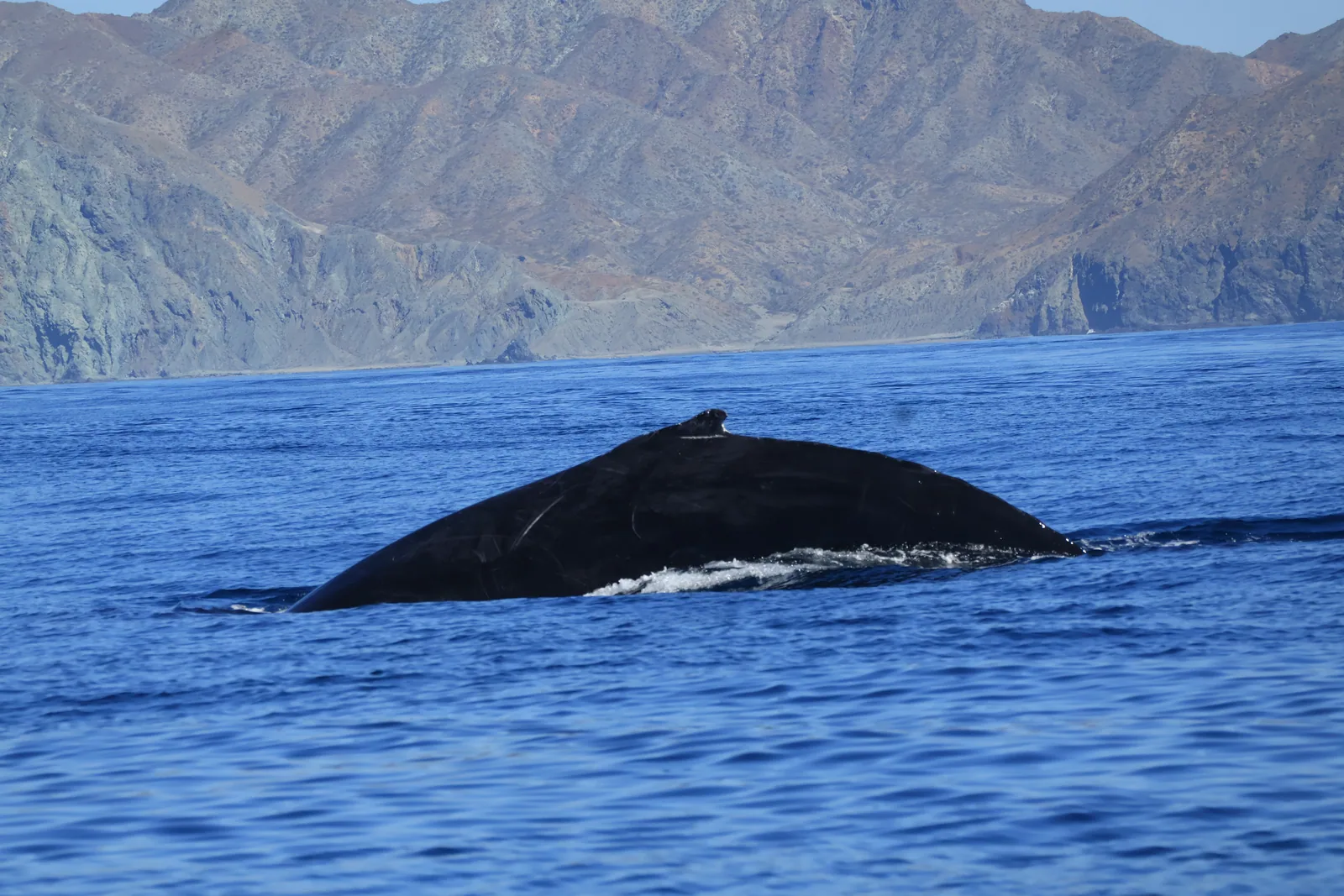
Very long pectoral fins, the absence of the gray mottled pattern, and a dorsal fin set along the back help tell a humpback apart from a gray whale, as covered in another article in this journal. But recognizing the species says nothing about which population a given individual belongs to: that can only be known from fluke photos matched against identification catalogs, or from genetic studies.
Why this matters on an expedition
In La Ventana, the winter season can bring humpback whale sightings alongside the Sea of Cortez’s own marine life. A regulation that distinguishes between populations is a reminder that conservation is not decided by species in general, but by understanding which specific group is being watched, and how vulnerable it is at that moment.
References to keep exploring
- NOAA Fisheries · Humpback Whale
- Federal Register / NOAA · Endangered and Threatened Wildlife: Final Rule to Designate Critical Habitat for Central America, Mexico, and Western North Pacific Humpback Whale DPSs (2021)
Sources accessed on November 8, 2026. Editorial text by Con Gorra Expeditions.