Before you travel
When to go to Baja California Sur: gray whale and mobula calendar
Winter and summer show a different sea off Baja California Sur. Here is how two of its most sought-after encounters are spread across the year.
Two seasons, two different seas
Baja California Sur doesn’t have a single "best time": it has several, depending on what you are after. Winter brings gray whales to the Pacific lagoons; spring and summer bring mobulas and their breeding activity to the Sea of Cortez. These are not the same window, and planning your trip around the right species matters more than picking a random month.
Winter: gray whales in López Mateos (December–April)
The first gray whales usually arrive in Baja California Sur’s lagoons around December; numbers keep building through January, and the highest presence — including newborn calves — concentrates between February and March, before most whales head back north in April. Con Gorra’s group departures in López Mateos are scheduled within that window, on March 6–10 and 12–16, 2027.
Summer: mobulas in La Ventana (March–August, peaking in May)
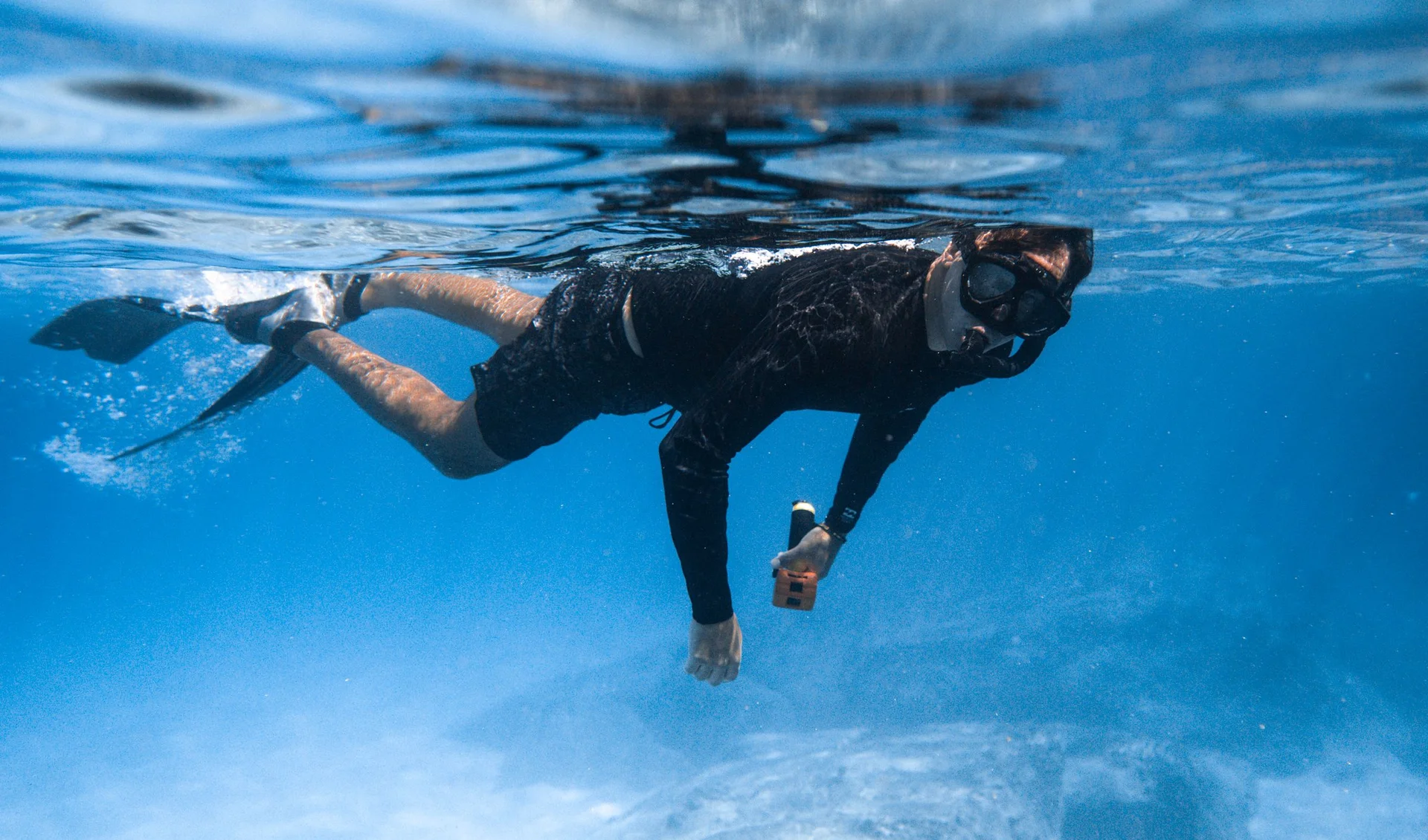
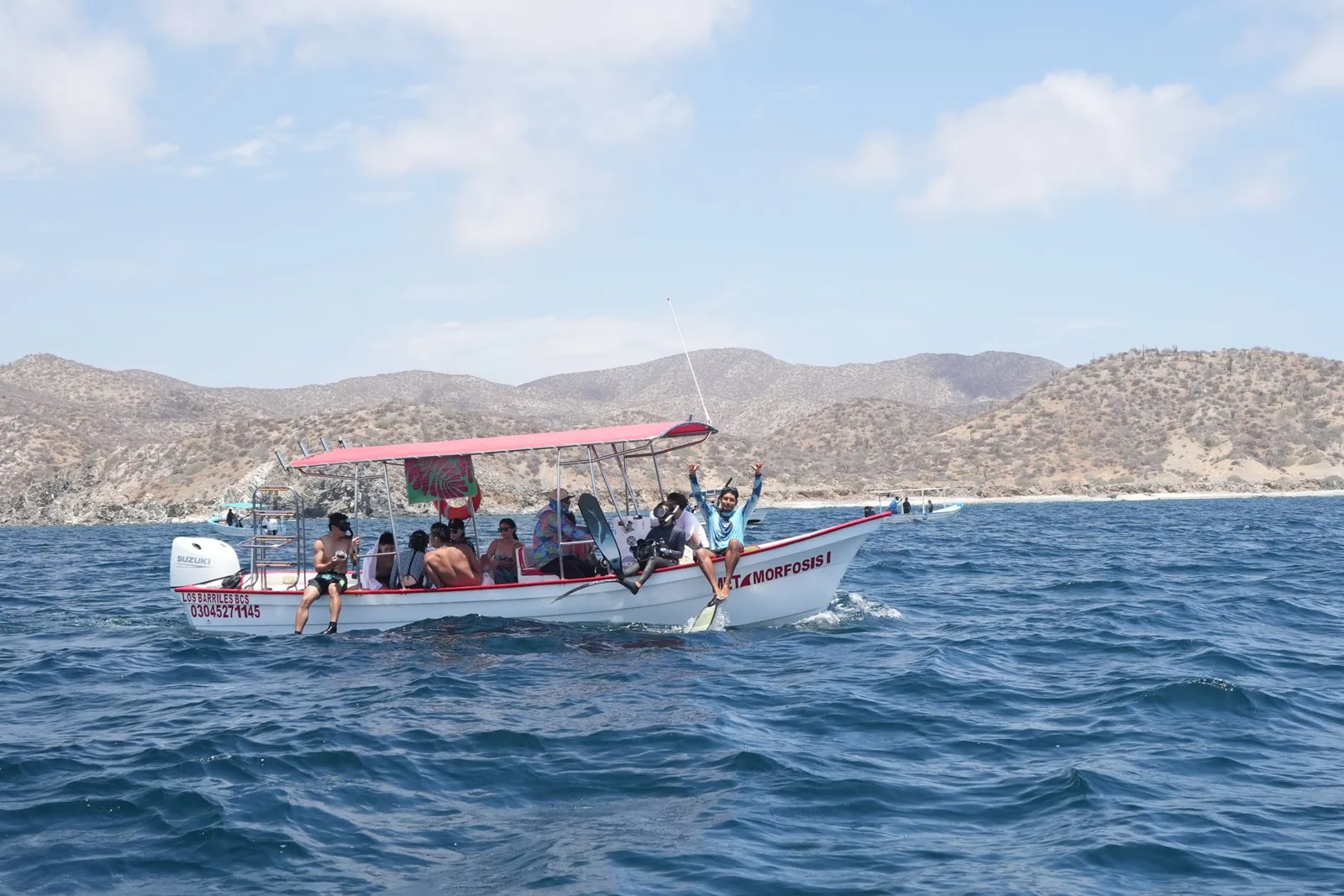
Mobula reproductive activity in La Ventana and the nearby Ensenada de Muertos concentrates between March and August, with a documented peak in May. Con Gorra’s diving and snorkeling departures in La Ventana are scheduled for April 3–8, May 4–9, and June 1–6, 2027, within that same window of highest activity.
What about the Sardine Run and Cabo Pulmo?
The Sardine Run off the Pacific coast happens in a different seasonal window, tied to sardine school availability; Con Gorra’s published group departures for this season are fully booked, with no confirmed date yet for the next one. Diving at the Cabo Pulmo reef, part of the La Ventana expedition, is organized as a public departure during summer dates or as a private group at other times, always confirming your certification level beforehand.
Choose by the experience, not just the month
No date guarantees a sighting: the animals move freely, and sea conditions can change an itinerary. Before booking, it is worth asking which experience you are after — whales, mobulas, diving — and letting that species’ own calendar, not a generic "good season" month, decide when to travel.
References to keep exploring
- NOAA Fisheries · Gray Whale
- Marine Biology · Palacios et al. (2023) · Reproductive behavior, seasonality, and distribution of three devil ray species in the Southern Gulf of California, Mexico
Sources accessed on November 8, 2026. Editorial text by Con Gorra Expeditions.