Conservation
What Mexican law says about whale watching (NOM-131)
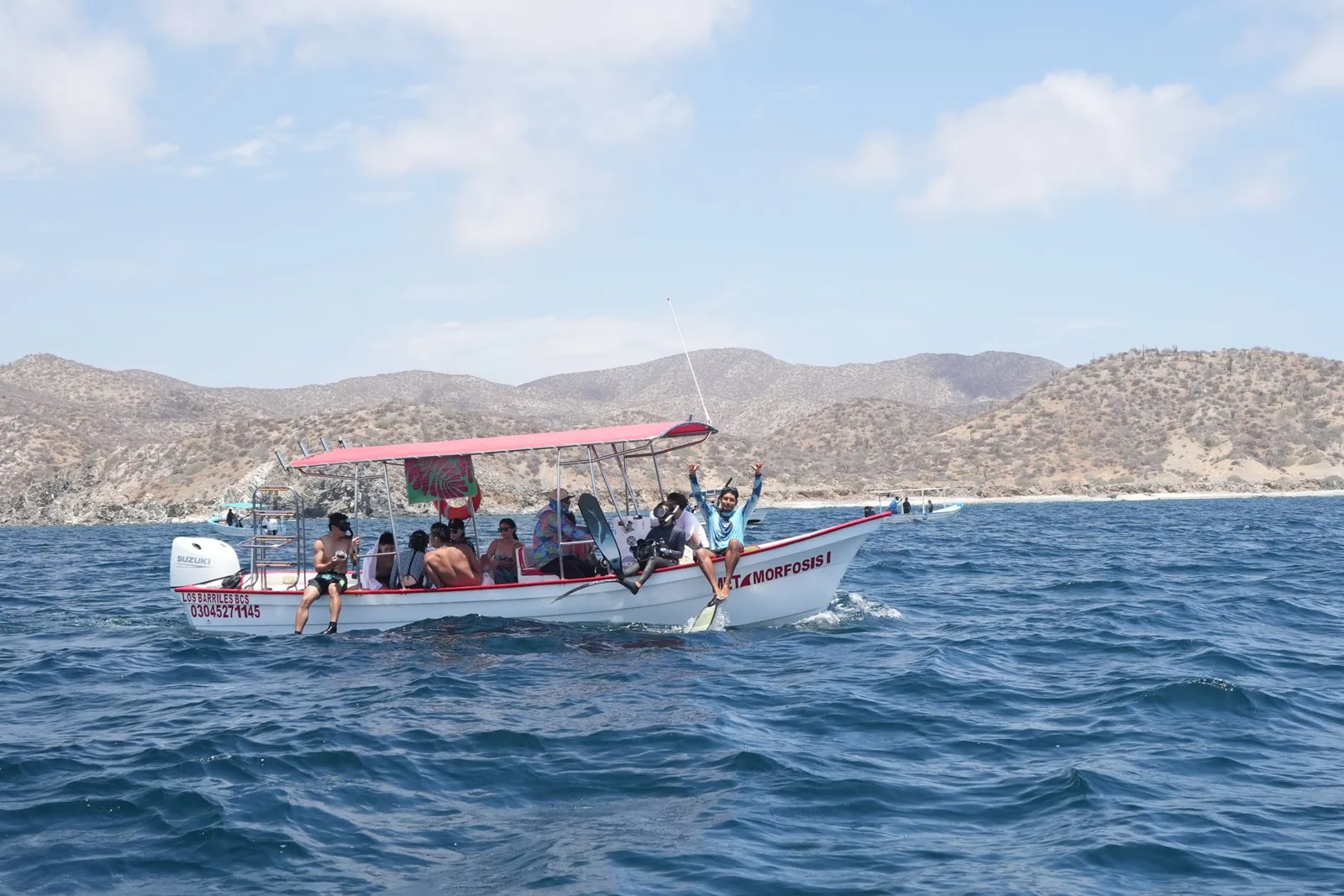
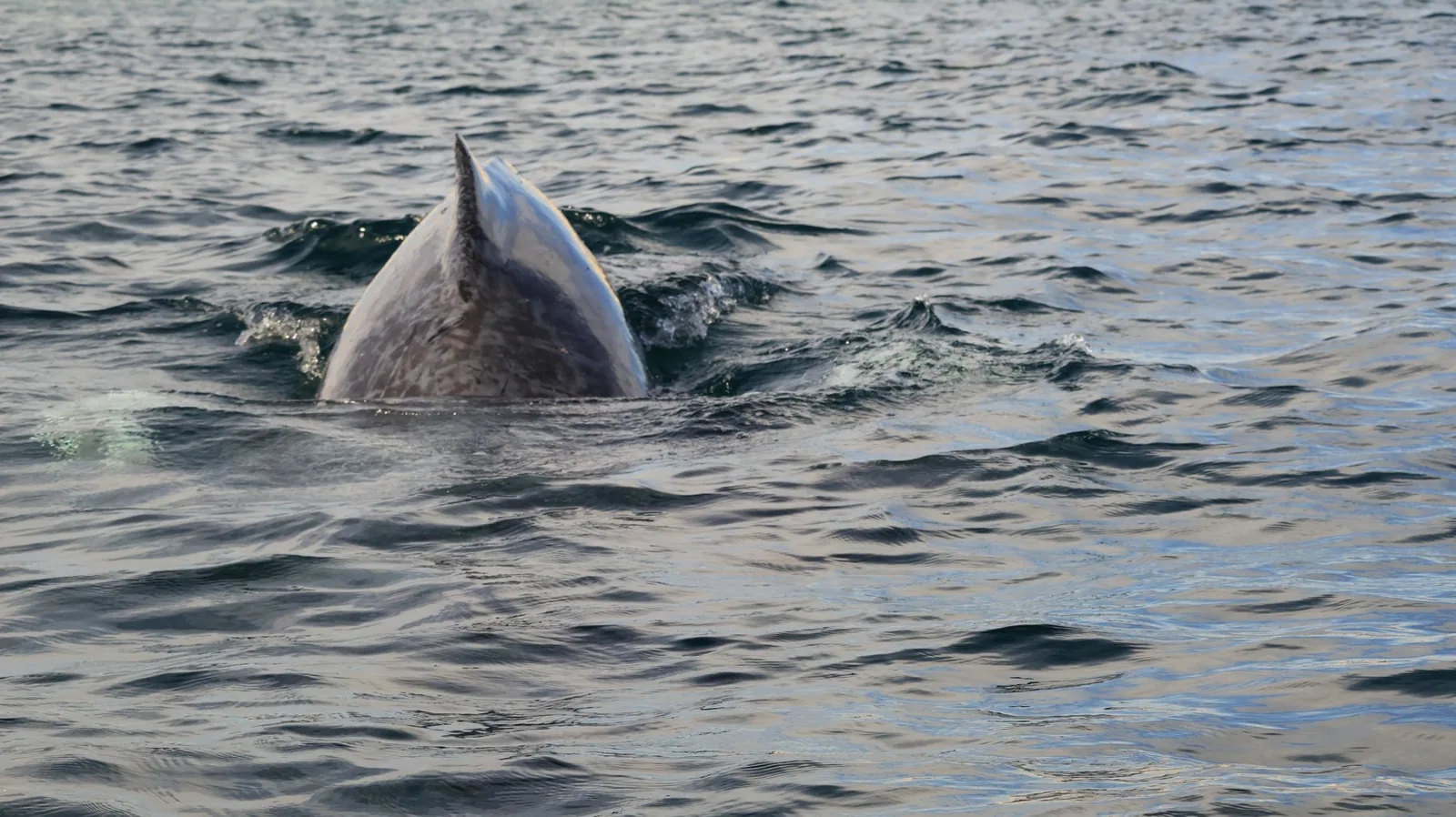
Whale watching in Mexico is not an unregulated activity: there is an official standard with precise distances, speeds and time limits. Here is what it establishes.
A standard, not a suggestion
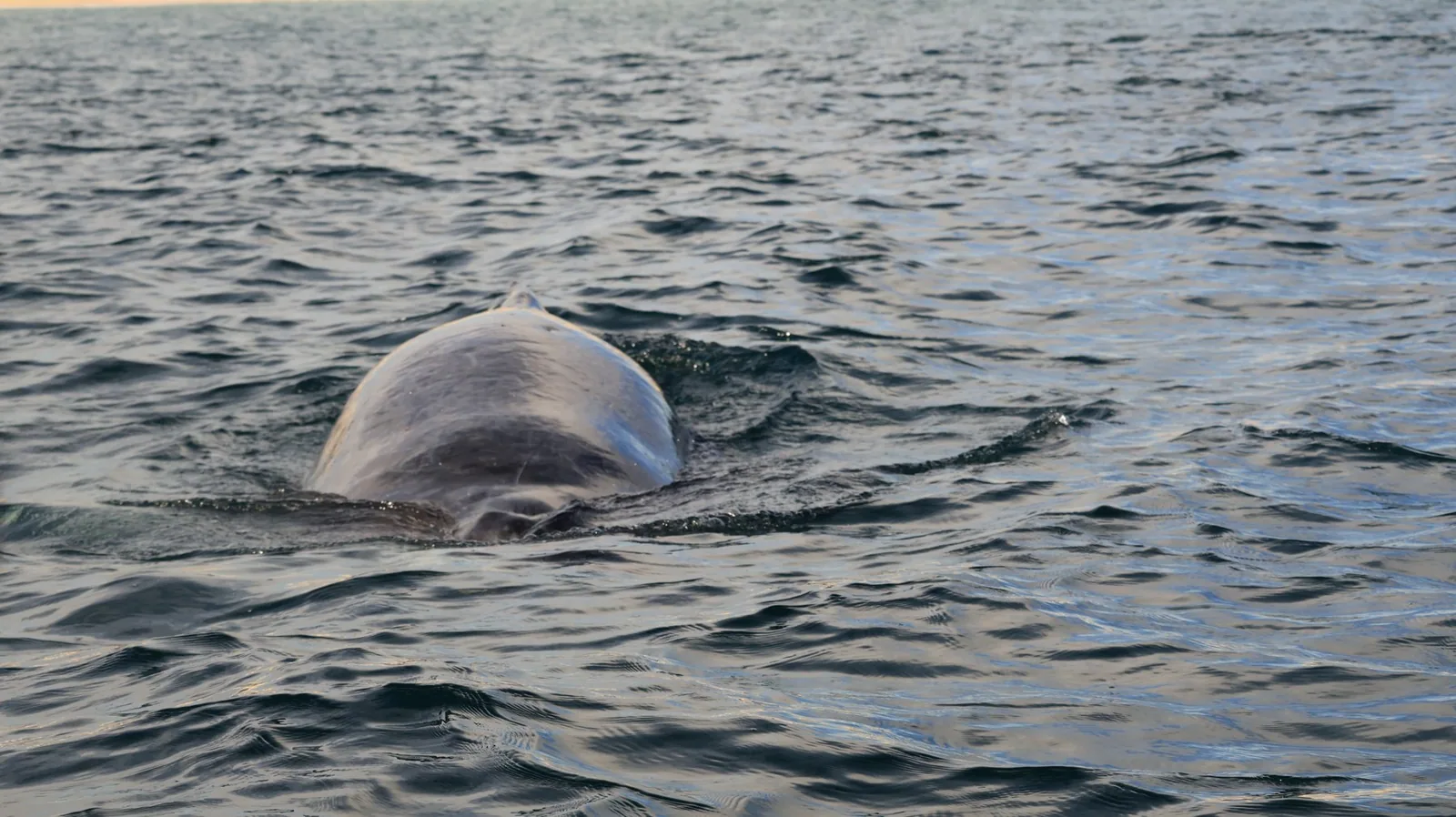
In Mexico, watching whales from a boat is regulated by NOM-131-SEMARNAT-2010, published in the Diario Oficial de la Federación (the federal government gazette). It is not a best-practices guide: compliance is mandatory for anyone carrying out this activity in federal waters, and PROFEPA, the federal environmental enforcement agency, can verify it.
The standard grew, in part, out of a precautionary principle: without full scientific certainty about the effects of whale-watching tourism, the approach is to avoid the risk rather than regret it later.
Distances by vessel size and species
For gray whales and humpback whales, two of the species seen in Baja California Sur, the standard sets a minimum observation distance of 60 meters for smaller vessels (under 10 meters long) and 80 meters for medium or larger vessels. For blue whales and fin whales, the distance rises to 100 and 120 meters respectively.
Any other vessel wanting to approach a whale that is already being observed must wait at a distance of 240 meters, regardless of its size.
Four vessels, thirty minutes, one approach line
The standard caps the number of vessels around the same whale or group at four, and limits continuous observation to a maximum of 30 minutes. Vessels must approach diagonally from the rear side, moving parallel to the whale’s course — never head-on or cutting across its path.
Speed within the observation area must stay under 5 knots (9 km/h), dropping to 2 knots (4 km/h) when entering the whale’s zone; at all times, the vessel must move slower than the slowest whale in the group.
What the standard flatly prohibits
During observation, it is not allowed to come between a mother and her calf, approach whales that are mating or calving, feed them, chase them if they show evasive behavior, or swim, dive or water-ski near them. Jet skis, kayaks, drones and helicopters are also prohibited for this activity within authorized zones.
If a whale approaches the boat on its own, the standard calls for keeping the engine on in neutral and waiting for the whale to move away on its own, without accelerating abruptly.
What to ask before booking a trip
An authorized operator can show its environmental authorization for the season and zone where it operates. Before booking a whale-watching trip, it is worth asking whether the operator follows it: the difference between a respectful encounter and one that stresses the animal is not a matter of luck — it is written into the standard.
References to keep exploring
- Diario Oficial de la Federación · NOM-131-SEMARNAT-2010 · Lineamientos y especificaciones para el desarrollo de actividades de observación de ballenas
- PROFEPA · Texto completo de la NOM-131-SEMARNAT-2010
Sources accessed on November 8, 2026. Editorial text by Con Gorra Expeditions.